
Understanding the Conflict
Identify the Root of the Issue
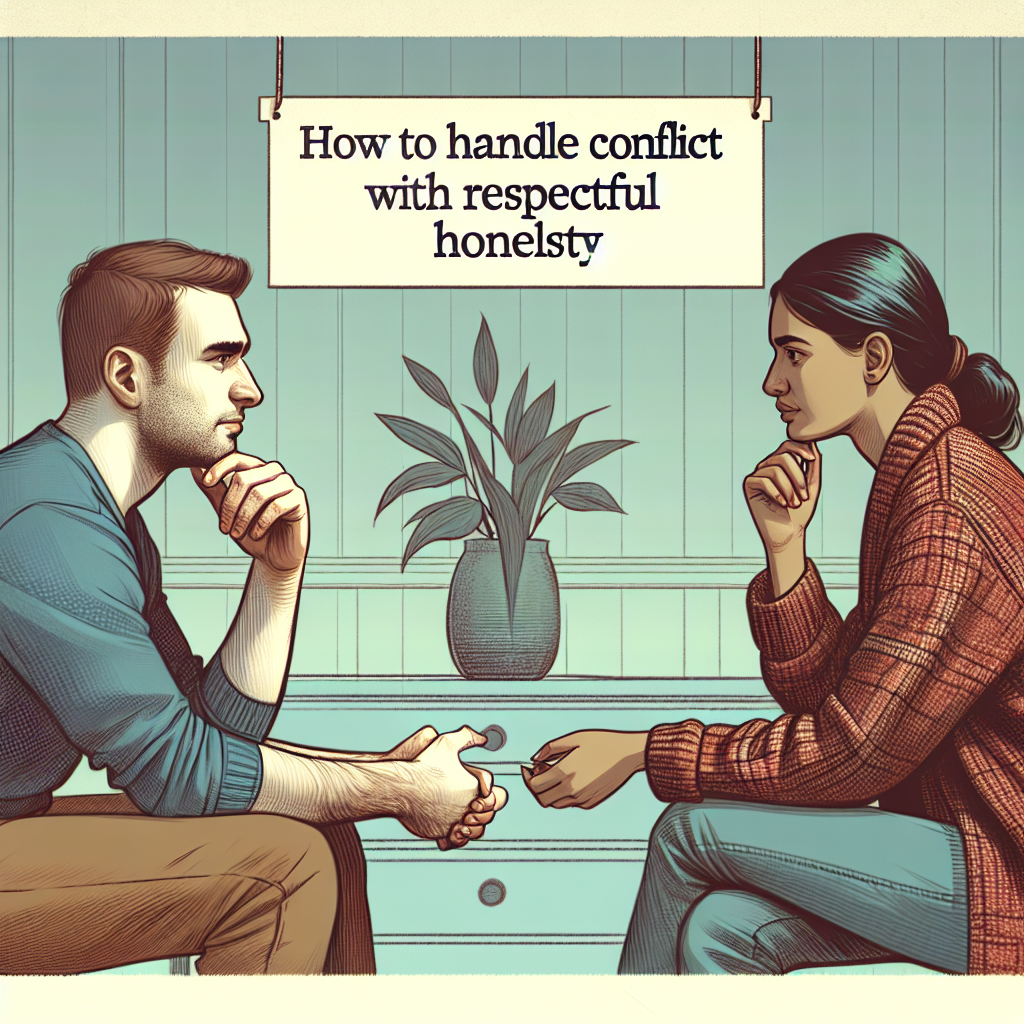
To begin with, when I’m faced with conflict, I take a step back to really understand what’s going on. It’s all about digging deep to figure out where the tension is coming from. Often, it isn’t just about the surface issue; there’s usually something deeper lurking beneath. I find it’s helpful to spend a few moments reflecting on my feelings and the other person’s feelings too.
Once I’ve pinpointed the root of the conflict, I can address it directly rather than throwing around vague feelings. Acknowledging what truly bothers us helps in framing the conversation that follows. It’s just so vital to look inward first, because, honestly, resolving an issue often starts with understanding ourselves.
It’s also important to consider the perspectives of the other party involved. What might their triggers be? What’s influencing their response? This empathy plays a big role in resolving conflict effectively and relations often strengthen after a shared understanding.
Recognizing Different Perspectives
Understanding that everyone has a different viewpoint is crucial in conflict resolution. I’ve encountered situations where I thought I was completely right, only to realize later that the other person had valid points too. It’s all about keeping an open mind and being willing to see things from the other side.
In practice, consider engaging openly when discussing a conflict. Instead of dismissing their viewpoint, I ask questions to gain insight. This approach not only validates the other person’s feelings but also opens a dialogue that can lead to resolution.
After all, conflicts often arise due to misunderstandings. By actively recognizing and valuing the other person’s perspective, I find that I can express my own thoughts without it becoming an all-out war. Respectful exchanges help reinforce relationships instead of tearing them down.
Setting the Right Environment
The atmosphere in which you begin discussing a conflict can greatly influence the outcome. I’ve learned that picking the right time and place is essential – avoid crowded spaces or times of high stress. Instead, I prefer setting a calm, quiet setting where both parties can feel at ease.
Sometimes simply ensuring that we’re both in a good spot mentally significantly changes the dynamic of the conversation. I often suggest a nice walk or a casual coffee meet-up—in these relaxed atmospheres, people tend to drop their defenses and talk more openly.
Creating a respectful environment goes beyond just the physical space; it’s about fostering an atmosphere of openness too. By actively listening and acknowledging each other’s feelings upfront, I create a two-way street of respect which is crucial for effective dialogue.
Communicating With Honesty
Use “I” Statements
I’ve found that using “I” statements instead of “you” statements can make a world of difference. For instance, saying “I feel upset when our meetings are last-minute” feels less accusatory than “You always schedule things at the last minute.” This subtle shift in language can pave the way for a more productive conversation.
When I frame my thoughts in terms of my own feelings, it encourages others to reflect on how their actions impact me, without making them feel attacked. This way, it’s about expressing my feelings rather than placing blame. It’s all about setting a tone of understanding, rather than confrontation.
Moreover, “I” statements not only communicate my feelings but also invite the other person to share their side too. It fosters a sense of shared responsibility and respect that can facilitate the healing process in any conflict.
Be Open and Honest
Honesty is the best policy, as they say, right? Well, I’ve learned that it’s essential to express my true feelings about the situation. While it may feel uncomfortable, opening up raw emotions helps clear the air. If I’m holding anything back—like resentment or frustration—those feelings can fester and exacerbate the conflict.
I remind myself that being open means being vulnerable, but it’s a necessary step towards resolution. When I share my feelings authentically, it creates space for the other person to do the same. This helps to build trust, which is crucial for overcoming conflict.
However, honesty doesn’t mean being harsh. It’s about striking the right balance—being truthful but also kind. This approach has helped me maintain respect even while dealing with tough issues, leading to more constructive outcomes.
Avoiding Blame Games
Oh boy, I’ve been in conversations where the blame game turned things really ugly! I now know that placing blame can quickly derail an otherwise healthy discussion. What I’ve learned is to focus on the behavior, not the person. Instead of saying “You’re unreliable,” I might say, “I felt let down when our plans changed unexpectedly.” This keeps the conversation productive.

Transform Your Conflicts Into Connections
This tactic shifts the focus away from personal attacks, steering clear of defensiveness and creating a space for problem-solving. I’ve found that instead of getting stuck in a cycle of blame, I can collaborate with the other person to identify solutions. It’s a game-changer!
Moreover, taking responsibility for my own actions—even if the other person is at fault—sets a healthy example. It encourages mutual accountability and allows both parties to contribute positively to resolving the issue.
Finding Common Ground
Focus on Shared Goals
What helps me navigate through tough situations is reminding myself of our shared goals. Whether it’s a working relationship or personal friendships, we’re usually both aiming for the same outcome. I often express, “Hey, we both want the best for this project!” This shared understanding can be a powerful motivator.
By highlighting common objectives, I steer the conversation towards solutions rather than dwelling on the problem. It’s amazing how aligning on mutual interests can break the tension and redirect the focus toward collaborative problem-solving. It shifts the energy of the conversation into a more positive place.
Essentially, when we work together towards a shared goal, the conflict feels less daunting. It encourages teamwork, uniting us rather than allowing the divide to widen.
Develop Constructive Solutions
After identifying shared goals, I find it beneficial to brainstorm solutions together. It’s like coming together as a team to tackle a problem instead of playing adversaries. I try to create a list of possible solutions and invite the other person to contribute their ideas. Inviting input not only fosters collaboration, but it also allows both parties to feel valued.
Moreover, it’s essential that the solutions feel fair to both sides. I’ve learned that compromising can lead to long-lasting resolutions. When both parties have a say and are willing to meet halfway, it can lead to breakthrough moments where everyone feels satisfied.
Additionally, following up after resolving the conflict is key. Checking in with each other can help reinforce the solutions we’ve developed, ensuring both parties feel heard and respected moving forward.
Celebrating Progress
Finally, I believe it’s super important to celebrate small victories after resolving conflicts. Taking the time to recognize and appreciate the progress made can help in solidifying the relationship further. It’s all about acknowledging that we’ve worked through something tough and came out stronger.
I often say something like, “I appreciate how we worked through that issue together!” This simple acknowledgment can foster further collaboration in future situations. It’s a gentle reminder that conflict doesn’t have to mean the end of a relationship—instead, it can signify growth.
Celebrating resolutions also reinforces positive communication patterns and encourages a culture of openness and honesty. It’s a win-win for everyone involved!
FAQ
1. How can I initiate a conflict resolution conversation?
Start by selecting a good time and place to talk, ensuring both parties are calm. Use “I” statements to express your feelings about the conflict honestly without placing blame. This sets a respectful tone for the conversation.
2. What if the other person doesn’t want to talk?
It’s essential to respect their space. You might suggest approaching the topic later or offer to talk when they feel more comfortable. It can also help to let them know that you are open whenever they’re ready.
3. How do I ensure the other party feels heard?
Active listening is key. Show you’re engaged by nodding, maintaining eye contact, and summarizing their points back to them. This way, they’ll know you value their perspective, making them more open to listening to you in return.
4. How can I avoid miscommunication during a conflict?
Clarity is essential. Make your points straightforward, and when necessary, ask the other person to clarify their statements. Using “I” statements can also help reduce misunderstandings by focusing on personal feelings rather than general accusations.
5. What should I do if I feel overwhelmed in a conflict?
It’s perfectly okay to take a step back if emotions are running high. Express that you need a moment to process and suggest revisiting the conversation later. Sometimes, a little time can help you both gain a better perspective.

Schedule Your First 20-Minute Coaching
Call With Us Today to see if we fit . You pick the price!
Click Here