Hey there! If you’re reading this, chances are you’re on a journey towards understanding forgiveness a bit more deeply. And let me tell you, this journey is totally worth it. I’ve been down that road, and I’m excited to share my insights on how you can harness the power of forgiveness through meaningful conversations.
Understanding the Power of Forgiveness
What Is Forgiveness?
At its core, forgiveness is about releasing the grip that the past has on us. It’s not about excusing the person who hurt us or pretending like it didn’t happen—no, it’s so much deeper than that. Personally, I found that understanding forgiveness as a choice helped me shift my mindset.
Forgiveness is about freeing myself from the emotional chains that bind us to our past grievances. When I realized that holding onto anger only hurt me, I made the decision to let it go.
Think of forgiveness as a gift you give yourself. It’s about reclaiming your peace and happiness. And trust me, the moment you embrace this idea, life starts to look a lot brighter!
The Benefits of Forgiving Others
Let me tell you, the benefits of forgiveness are huge. I remember when I finally released some long-held grudges; I felt lighter, almost like a weight had been lifted off my shoulders. Studies show that letting go of resentment can lead to better mental health and improved relationships.
Not only does forgiveness alter how you feel inside, but it can also change how you interact with others. Your relationships can flourish when there’s less baggage in the way. I’ve noticed that the more forgiving I am, the easier it is to form new connections with people.
And here’s a hot tip: it also fosters empathy. I’ve learned that when I forgive, I begin to understand others better. It’s like putting on a new set of glasses that lets you see situations from different perspectives.
Forgiveness Isn’t Forgetting
A common misconception is that to forgive means you have to forget what happened. But let me be real with you—forgetting isn’t necessary, nor is it realistic. Instead, I like to think of forgiveness as a way to change the narrative. It’s about acknowledging the hurt without letting it define you.
When I choose to remember the lessons learned from past experiences instead of focusing solely on the pain, I empower myself. That shift in perspective is incredibly healing.
So, remember, it’s totally okay to remember what happened; it’s just about how you allow it to influence your present and future. Carry those lessons forward, but let go of the resentment.
Finding the Right Words to Start
Preparing for the Conversation
Alright, so when it comes to initiating a conversation about forgiveness, preparation is key. I’ve learned that before you delve into the tough stuff, it helps to spend some time reflecting on what you want to express. Write it down, rehearse it—whatever works for you!
Choosing the right time and place is also important. Pick a calm environment where both parties can speak freely. I’ve found that a quiet park or a cozy café can set the tone for a more positive conversation.
Most importantly, be open. Approach the conversation with a willingness to listen as much as you’re ready to share your feelings. That balance fosters a more constructive dialogue.
Using “I” Statements
When I finally grasped the idea of using “I” statements, it game-changed my conversations around forgiveness. Instead of accusing or blaming the other person, I started expressing my emotions by framing them personally. For instance, saying “I felt hurt when…” instead of “You made me feel…” shifts the focus from blame to personal experience.
This technique not only softens the message but also makes it easier for the other person to hear you. I’ve seen it open the doors to empathy and understanding, which is what we want, right?
Give it a shot! Reflect on how you feel and articulate that in a non-accusatory manner. You’ll be amazed at how much more receptive the other party can be when you communicate this way.
Creating an Openness to Forgiveness
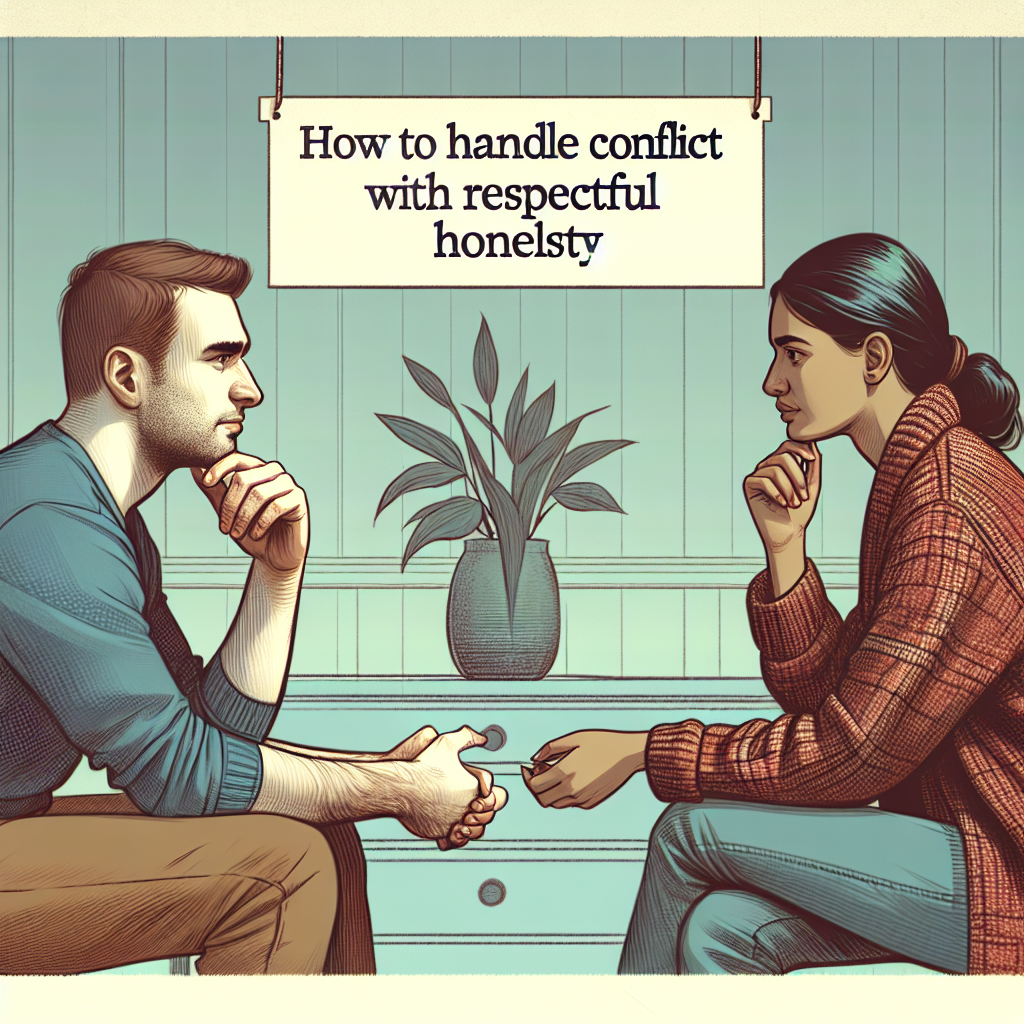
Once the conversation starts flowing, it’s crucial to create a space for openness. That means being ready to listen and understand the other person’s perspective. I learned this the hard way—my need to be heard sometimes blocked the opportunity for true dialogue.

Encourage a back-and-forth. Ask questions that inspire reflection, like “How do you feel about what happened?” This fosters a two-way conversation that can lead to a deeper understanding and the possibility of healing.
Showing genuine interest in their perspective can often enable reciprocal openness, paving the way for healing conversations where both parties can come to terms and move forward.
Moving Forward Together
Building Trust Again
After you’ve had those crucial conversations, the path forward can include rebuilding trust. Trust isn’t just handed back over; it’s earned through consistent actions over time. I’ve worked hard to demonstrate my commitment to moving forward positively after tough conversations.
Start with small gestures. They don’t have to be grand or elaborate. Simple things like showing up on time or keeping promises can slowly reinforce trust.
It’s essential to communicate openly about what rebuilding trust looks like for both parties. Clear expectations can prevent misunderstandings later on—a key piece I learned during my own process of healing.
Establishing New Boundaries
Let’s face it; we all have boundaries, and sometimes they need to be reassessed after a conflict. I realized that for me to forgive and move on, I needed to communicate what my new boundaries were—both for myself and the other person.
Setting those boundaries creates a safe space to explore the relationship’s next steps. This also helps in fostering a respectful atmosphere moving forward, which is key to healthy interactions.
Being clear about your limits is a form of self-care, and ultimately, it shows that you value both your feelings and the other person’s. It’s a win-win when addressed openly.
Celebrating Progress
Lastly, don’t forget to celebrate the small wins along the way! Each step of moving forward deserves recognition. I make it a point to acknowledge the progress I’ve made with others, even if it’s just a simple act of kindness or an improvement in communication.
Even reflecting on the journey you’ve shared can reaffirm that you’re on the right path. Recognize moments of vulnerability that lead to growth, as they can strengthen the bond you’ve recreated.
When you celebrate progress, it boosts morale for both yourself and the other person, reinforcing the idea that moving forward together can be positive and healing.
Frequently Asked Questions
1. How do I start a conversation about forgiveness?
Begin with self-reflection on what you want to express. Choose a calm setting, ensure both parties are comfortable, and be open to listening.
2. What if the other person isn’t ready to forgive?
That’s okay! Give them time and space. Sometimes healing takes a little longer. Focus on your healing while being supportive.
3. Do I have to forget what happened to forgive?
Nope! Forgiveness doesn’t mean forgetting. It’s about acknowledging the hurt while letting go of anger and moving forward.
4. How can I rebuild trust after a conflict?
Rebuilding trust requires consistency. Start small, keep promises, and communicate openly about what trust means in your relationship.
5. Can forgiveness help my mental health?
Absolutely! Forgiveness can lead to less stress, anxiety, and resentment, making room for a more positive mindset and healthier relationships.

Schedule Your First 20-Minute Coaching
Call With Us Today to see if we fit . You pick the price!
Click Here