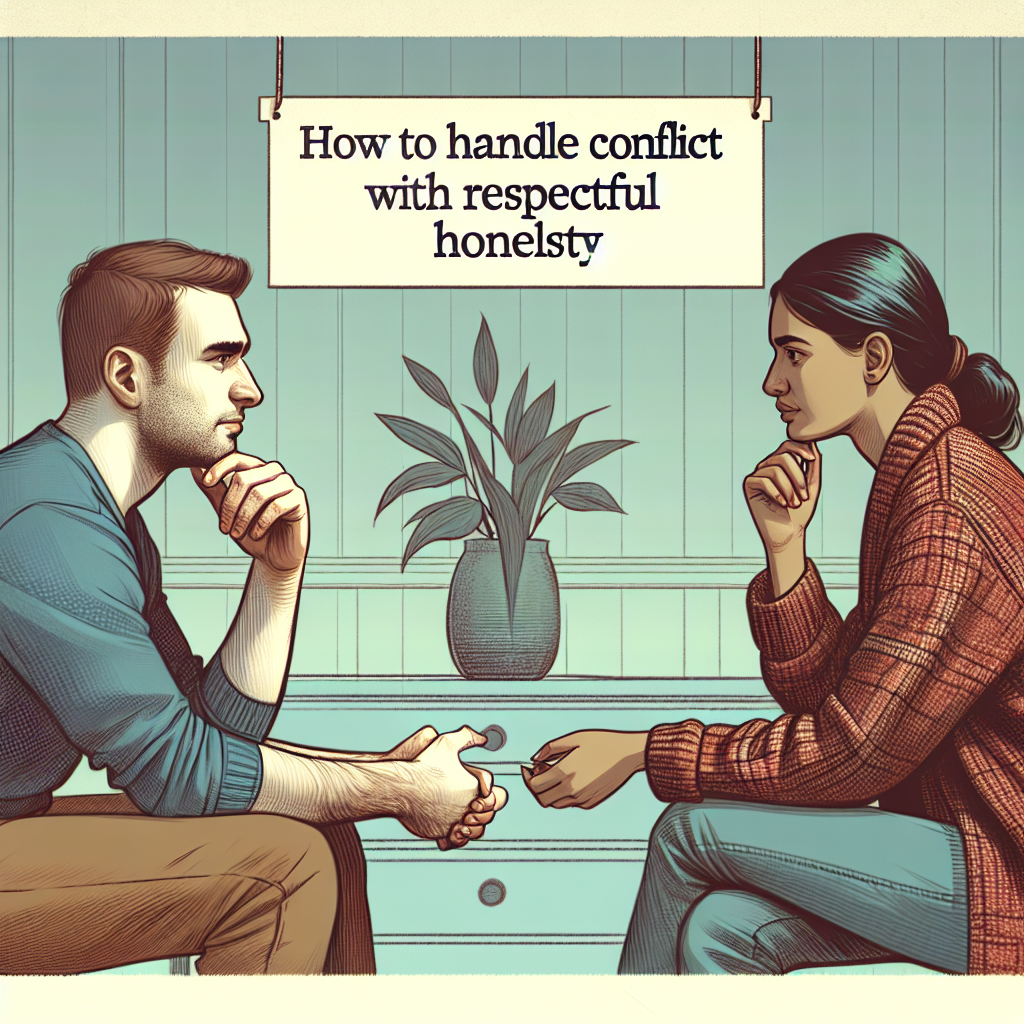
Understanding Conflict in Relationships
What is Conflict?
Conflict, in its simplest form, is a disagreement or clash. It emerges from differences in opinions, values, or needs. I’ve seen countless times how people tend to shy away from conflict, fearing it heralds doom for their relationships. However, the truth is, conflict is not the enemy; it’s a part of human interaction, a natural element that can, believe it or not, lead to growth and understanding.
Every time I’ve landed in a disagreement, it felt like standing on a tightrope. One wrong move, and I could fall into a pit of resentment. Nevertheless, embracing the conflict instead of dodging it has been a game changer for me. That brings forward a crucial realization: managing conflict is about creating an open dialogue. It’s this exchange, when approached with love, that propels growth.
Understanding the types of conflict—whether it’s interpersonal, intrapersonal, or systemic—shapes how we approach disagreements in love. For example, I’ve navigated interpersonal conflicts with friends and family, realizing that our different perspectives offer a rich tapestry of insights that challenge our norms and beliefs.
Why Embrace Conflict?
Today, I firmly believe embracing conflict is vital for personal and relational development. Sure, it can be uncomfortable, but that’s where the real magic happens! When I face a disagreement instead of running from it, I am choosing to engage with my partner or friend authentically. Our conversations take on a deeper significance, fostering connection and a better understanding of one another.
Consider it a way of digging deeper into the roots of what makes us tick. For instance, through conflict, I’ve discovered hidden aspects about myself—my passions, insecurities, and even my triggers. The beauty of conflict blossomed from these discoveries, turning moments of discord into bridges for better connection.
Moreover, embracing conflict allows us to redefine boundaries and expectations, enhancing love and respect. I’ve happily emerged from arguments with a stronger connection to my loved ones, reinforcing the idea that our bonds can withstand turbulence if navigated with care and love.
Building a Conflict-Positive Mindset
Building a conflict-positive mindset starts with a shift in perspective. Instead of seeing conflict as a threat, I’ve learned to view it as an opportunity for growth. It’s enlightening to come to realize conflicts can lead to constructive discussions, where voices are heard, and feelings are honored.
The key? Approach each conflict with curiosity instead of defensiveness. In my own experiences, asking open-ended questions during disagreements has uncovered layers of misunderstanding that I would have never noticed otherwise. Conversations that begin tense can transform into enlightening exchanges, guiding both parties toward a common ground.
Finally, maintaining a genuinely positive attitude can transform the outcome of conflicts. Even when we don’t see eye-to-eye, I always remind myself it’s about love guiding the way. My personal mantra becomes, “How can we resolve this together?” It’s a small, yet powerful shift that paves the path toward healing and connection.
Communicating Effectively During Conflict
The Power of Active Listening
Active listening is a game changer. When I’ve been part of a disagreement, truly hearing what the other person is saying can diffuse tension and open avenues for harmony. It’s not just about hearing words, but understanding emotions and intentions behind them. This skill has transformed how I connect with others.
For example, when I actively listen, I notice the little quirks in tone and body language, which often reveal more than words alone. By focusing on the speaker—not only their message but how they feel—I find that it enables better responses rather than reactions driven by frustration or anger.
Even if an emotional response creeps in, controlling the urge to interrupt and instead reflect back what I’ve heard can radically shift the narrative. Through this practice, I’ve found a loving space to foster understanding and prevent escalation into hurtful words or actions.
Using “I” Statements
Another effective strategy has been using “I” statements instead of “you” accusations. Reflecting on my conflicts, I observed that saying things like “I feel hurt when…” rather than “You always…” creates a more receptive atmosphere. This simple twist in language encourages understanding rather than defensiveness.
In the times I’ve applied “I” statements, it has turned the tide from arguing to reflecting. It prompts my discussion partner to consider my feelings instead of feeling attacked. I remember a moment when I shared, “I felt neglected when you didn’t call me back,” and it allowed my friend to acknowledge my feelings without holding a wall of defensiveness.
This approach not only conveys vulnerability but also fosters a space for collaborative healing. It’s a reminder that conflict isn’t about defeating the other but finding a solution that respects both parties involved.
Staying Calm and Collected
No one disputes the fact that maintaining composure during conflict can be a challenge. I’ve found that creating an environment conducive for calmness makes a significant difference. If I feel the heat rising in a discussion, I’m quick to suggest a short break to recenter ourselves, which helps establish a peaceful dialogue.

Additionally, practicing mindfulness techniques such as deep breathing can be incredibly effective. Each time I take a moment to breathe, I find my perspective shifts; I become less reactive and more focused on love, ultimately calming the storm of emotions swirling around conflict.
Sometimes, I even visualize love guiding the dialogue, involving images of gentle waves washing away negativity. Such moments remind me that we’re in this together, enhancing clarity in the heat of disagreement. Staying calm is the ultimate priority for me, and it’s unlocked healthier communication and resolution in my relationships.
Cultivating Compassion and Forgiveness
Empathy as a Conflict Resolution Tool
Empathy truly is a key ingredient in conflict resolution. If there’s one thing I’ve learned, it’s that stepping into the shoes of the other person can drastically alter the narrative. I often reflect on how my partner feels. Their emotions mirror mine, sparking a wave of compassion that leads to healthier outcomes.
As I strive to foster empathy, I’ve discovered that finding common ground becomes easier. The conversation shifts towards understanding rather than winning. For instance, while discussing a misunderstanding, I’ve paused and asked my partner how they might feel if the roles were reversed, which opens the floodgates to compassion and connection.
Thinking about how conflicts affect both parties creates a softening effect—not just bridging gaps but enhancing our bond. This empathetic approach leads us to explore solutions that satisfy both, reinforcing that love truly guides every disagreement.
Practicing Forgiveness
Forgiveness, in my experience, is crucial in resolving conflict and is sometimes the hardest step to take. It means letting go of the hurtful words exchanged during a heated argument. I remember a time when my partner said something that stung deeply; in the heat of the moment, it felt insurmountable. Yet, it became pivotal in recognizing that letting go was more beneficial than holding onto anger.
The act of forgiveness requires conscious effort. For me, it’s about embracing the notion that we all make mistakes. Instead of clinging to resentment, I work towards rebuilding trust and connection. I’ve discovered that when I choose to forgive, I’m freeing not just the other person but myself, allowing room for love to flourish.
Additionally, allowing myself to forgive means understanding that the journey involves gradual healing—some moments might emerge again in memory, and in those moments, I remind myself why love leads the way in overcoming conflict.
Creating a Culture of Compassion
Creating a culture of compassion means nurturing an environment where both parties feel valued throughout the conflict. I strive to evoke kindness as we navigate disagreements, treating one another with respect despite differences. Building this culture is an ongoing practice where both parties show grace towards one another during emotional turbulence.
For me, kindness during conflict translates into actions—small gestures such as a gentle touch or softening my tone to calm the atmosphere. This rapport-building approach hands us an opening for resolution and ultimately deepens our love.
Moreover, a culture of compassion encourages neither person to bear the weight of conflict alone. Collaboration and mutual care become the foundation for resolution, elevating our relationship above petty disagreements, proving that love truly leads the way in conquering conflicts.
FAQ
1. What are the key steps in embracing conflict positively?
The key steps include understanding conflict, embracing it as an opportunity, building a conflict-positive mindset, communicating effectively, and cultivating compassion and forgiveness.
2. How can I communicate better during a conflict?
You can improve communication during conflict by practicing active listening, using “I” statements, and remaining calm and collected to foster understanding and reach resolutions.
3. Is it important to resolve conflicts immediately?
While some conflicts may need immediate attention, others can benefit from taking a brief break. Allowing time for reflection and calming down can lead to more constructive discussions later.
4. Why is empathy important in conflict resolution?
Empathy allows the parties involved to understand each other’s feelings and perspectives. This understanding not only fosters compassion but also creates an environment conducive to resolution.
5. How can I practice forgiveness after a conflict?
Practicing forgiveness requires consciously letting go of hurt and resentment. Reminding yourself that everyone makes mistakes and focusing on rebuilding trust can facilitate healing and ease tensions.

Schedule Your First 20-Minute Coaching
Call With Us Today to see if we fit . You pick the price!
Click Here