Understanding Perspectives
What is Perspective?
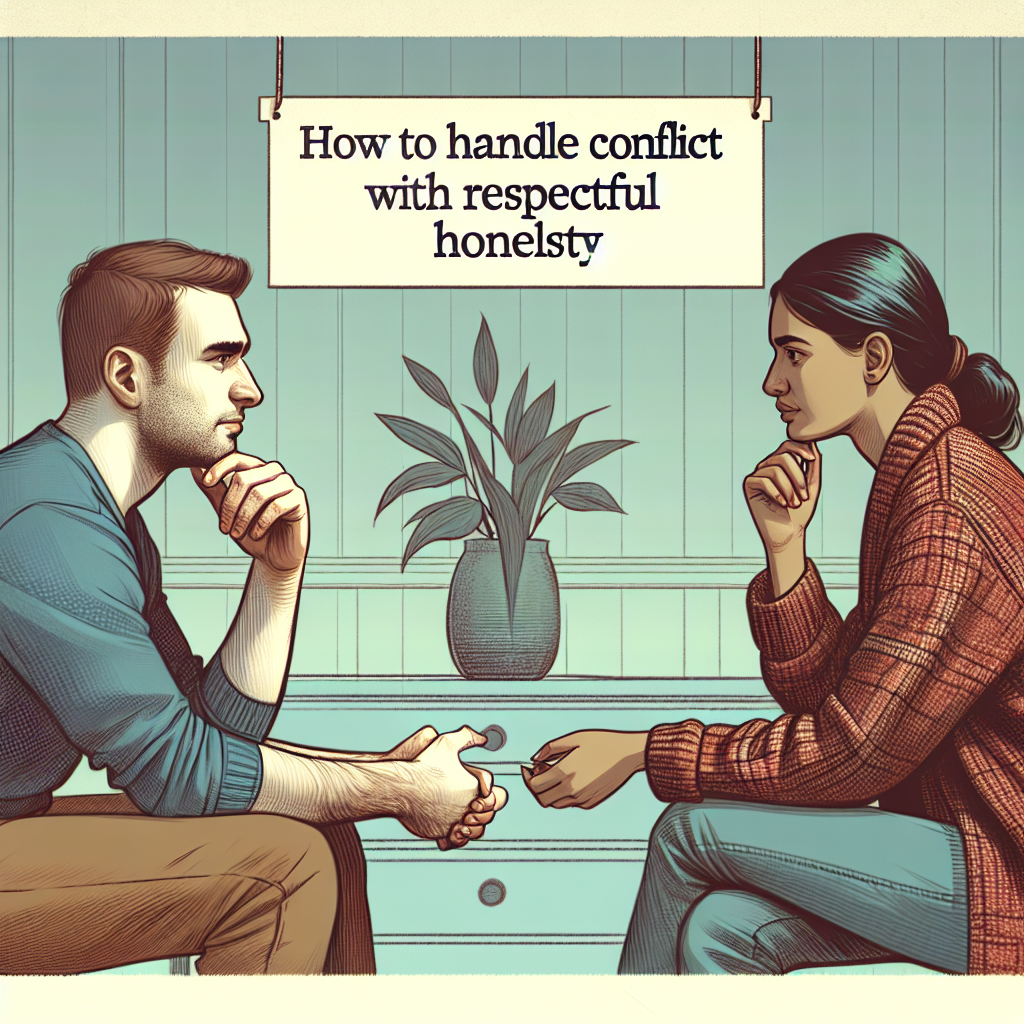
So, let’s kick things off by talking about perspective—basically how we see things based on our own experiences and beliefs. It’s kinda like wearing different colored glasses. What looks blue to one person might look green to another. It’s pretty wild when you think about it! In an argument, recognizing this is crucial because it sets the stage for real dialogue.
When you understand that everyone has their own viewpoint, it becomes easier to approach disagreements from a place of curiosity rather than confrontation. You’re not just defending your stance, but you’re also trying to grasp where the other person is coming from. This is where empathy shines, and trust me, it works wonders.
Most importantly, acknowledging another’s perspective doesn’t mean you have to agree with it. It simply shows respect for the person’s feelings and thoughts, which, let’s be honest, is key in any healthy exchange!
Active Listening
Now, let’s dive into active listening. It’s not just about hearing what the other person is saying; it’s about really *getting* it. This means putting your own thoughts on the back burner and focusing entirely on the speaker. I know, it can be tough, especially when you have a million things whirling through your mind.
One trick I use is repeating back what the other person said to me. Not word for word, but in my own words to show I’m actually engaged. This not only helps clarify any confusion but also gives the other person a chance to expand or correct their thoughts. It really opens up the conversation in a positive way!
Plus, when your conversation partner sees that you’re genuinely listening, it often encourages them to do the same. It creates a back-and-forth rhythm that can turn a standard argument into a productive dialogue. And that’s what we’re aiming for!
Openness to Change
Let’s keep it real—being stuck in our ways feels comfortable, but it’s not always beneficial. Openness to change means letting go of our ego and being willing to adapt our views based on new information or insights. It’s about admitting that, hey, I might be wrong or at least partially off the mark.
I remember once having a heated debate with a close friend over a political issue. After hearing their well-thought-out arguments and doing some research, I realized my stance needed a little tweaking. It felt like admitting defeat at first, but honestly, it was liberating. I ended up learning something valuable from the experience!
When you approach arguments with an open mind and a willingness to change, you not only grow as an individual but strengthen your relationships with others. Those moments of understanding can lead to deeper connections and a more fulfilling dialogue overall.
Setting Boundaries
Communicating Your Needs
Setting boundaries is all about knowing your limits and communicating them clearly. This can be especially important in heated discussions. If something crosses the line for you—be it tone, language, or topic—it’s crucial to voice that. I’ve been in discussions that escalated because I didn’t speak up soon enough, and it made situations much worse.
When I feel disrespected, I often pull back and calmly let the other person know how it affects me. It’s not about putting them down but rather expressing that I want to maintain a respectful conversation. Being upfront about what you need sets the tone for a healthier interaction.
Don’t underestimate the power of stating your needs clearly and assertively. It helps establish a framework for how you both can engage. It encourages respect, establishing that both opinions are valid but should be shared thoughtfully.
Recognizing Non-Verbal Cues
Body language is super important in arguments. You might think you’re nailing it with your words, but if your body language gives off the vibe that you’re not interested or defensive, the other person is likely to feel it. I’ve seen how leaning in or maintaining eye contact can totally change the energy in a conversation.
When you acknowledge non-verbal cues—both your own and those of the other person—it creates a more relaxed environment. It becomes less about winning the argument and more about reaching a mutual understanding. When I’m passionate about a topic, I sometimes forget to check my body language, but I’ve learned how crucial it is especially when tensions rise!
Incorporating awareness of non-verbal communication can enhance the quality of your discussions significantly. It’s a whole other layer of connection that can bridge the gap when words fail.
Walking Away When Necessary
Sometimes, the best thing you can do in an argument is step away. If it’s getting super heated and emotions are running high, I’ve learned that hitting pause can be a game changer. It gives you both space to cool off and reflect on what’s really at stake.
Choosing to walk away helps prevent saying things you might regret later. I remember a time I didn’t heed this advice and ended up saying something stupid that hurt my friend. If I had just taken a moment, I could have avoided that needless pain.
So, if you find yourself in a situation that feels unresolvable, take a breather. It’s not about giving up, but rather giving yourself space to approach the conversation later with fresh eyes and a level head.
Finding Common Ground
Identifying Shared Values
At the heart of any healthy argument is finding common ground. It’s often easier than you think! When discussions get heated, I always try to remember that beneath our differing opinions, we often share the same values or goals. For instance, in a debate about policy, both sides might ultimately want what’s best for the community.

To tap into that shared foundation, I often ask questions: What do we both want here? What do we agree on? Identifying these commonalities can help steer a conversation in a more positive direction, making it feel less combative and more collaborative.
Focusing on shared values allows for a more constructive discussion without losing sight of what truly matters. It’s about working together towards a solution rather than bickering over differences!
Cultivating Respect
Respect is foundational in any discussion, but especially in arguments. It allows each person to feel heard and valued, which makes it easier to navigate tough conversations. A little respect goes a long way! I ensure to always acknowledge the other person’s ideas, even when I strongly disagree with them.
When you approach a disagreement with respect, it creates a safe space where both parties feel comfortable expressing their thoughts and experiences. If you’re dismissive or critical, it can lead to defensiveness and shutdown. I can attest to this from my own personal experiences!
Building a culture of mutual respect isn’t just about the moment but sets a tone for future interactions as well. It becomes a habit, and before you know it, you’re creating a more understanding environment overall.
Seeking Solutions Together
Ultimately, the goal of a healthy argument is to reach a resolution that satisfies both parties. I find that brainstorming possible solutions together can turn the situation from conflict to collaboration. It encourages teamwork and reinforces that you’re both on the same side—not adversaries!
When we sit down together and toss ideas around, it often becomes clear how both perspectives can merge into a satisfactory solution. Plus, it often leads to creative solutions that neither of us would have come up with alone. It’s honestly one of the coolest feelings!
Remember, the goal isn’t just to ‘win’ the argument. It’s about coming out on the other side with a better understanding of each other and potentially a stronger relationship. That’s what we should aim for every time.
Conclusion
Arguments don’t have to be toxic or damaging. Instead, by practicing perspective-taking, active listening, and respecting one another, we can transform disagreements into healthy dialogues. It’s all about growing, learning, and ultimately understanding more about each other.
FAQ
Q1. What should I do if I feel overwhelmed during an argument?
A1. If you feel overwhelmed, it’s totally okay to take a break. Stepping away gives you time to collect your thoughts and return to the conversation with a clearer head.
Q2. How important is active listening in an argument?
A2. Active listening is super important! It shows that you respect the other person’s perspective, and it helps clarify any misunderstandings that might arise during the argument.
Q3. Can I change my mind during an argument?
A3. Absolutely! Being open to changing your perspective shows growth. If you discover new information or a different viewpoint that resonates, it’s perfectly fine to adjust your stance.
Q4. How can I ensure the other person feels respected during an argument?
A4. You can show respect by listening actively, acknowledging their points, and communicating your needs clearly. This encourages a healthy exchange of ideas without becoming confrontational.
Q5. What’s the key takeaway from this article?
A5. The key takeaway is that arguments can be healthy when approached with the right mindset. By understanding perspectives, respecting each other, and seeking common ground, you can have constructive conversations that lead to growth.

Schedule Your First 20-Minute Coaching
Call With Us Today to see if we fit . You pick the price!
Click Here